Are you thinking about trading a shorter urban commute for more space and a more suburban feel? If Simi Valley is on your list, that question is probably front and center. The good news is that Simi Valley offers a very clear lifestyle proposition, and understanding the commute piece can help you decide if the balance works for you. Let’s dive in.
Why Simi Valley Appeals to Commuters
Simi Valley stands out as a space-first housing market. According to Census QuickFacts, the city has a 72.9% owner-occupied housing rate, a population density of 3,041.4 people per square mile, and a mean travel time to work of 27.1 minutes. That combination points to a lower-density, mostly homeowner-oriented community rather than a job-center-adjacent urban market.
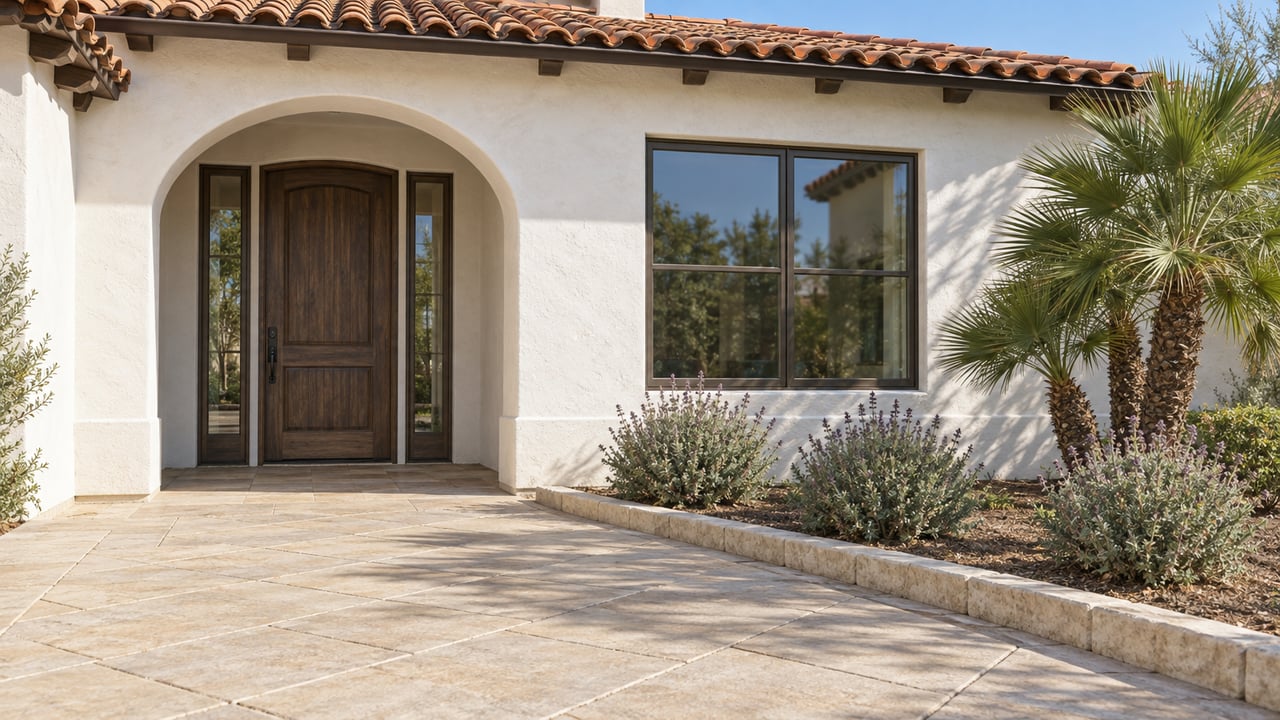
For many buyers, that matters because your housing choice affects your day-to-day life just as much as your drive time. If you want more detached homes, more lot-based living, and a less dense built environment, Simi Valley offers a different experience than places like Glendale or Burbank. In practical terms, you are often choosing space and ownership patterns first, then building your commute strategy around them.
What the Tradeoff Looks Like
The main tradeoff is straightforward. Simi Valley can offer more room and a more suburban setting, but commuting tends to be more corridor-based than highly networked. That means your daily routine may depend heavily on a few key routes and stations rather than a wide web of options.
This does not make commuting from Simi Valley unworkable. It simply means your destination, schedule, and tolerance for route dependence matter a lot. If your work takes you toward the San Fernando Valley, Union Station, Burbank, Chatsworth, Warner Center, Moorpark, or other Ventura County destinations, Simi Valley gives you real options to evaluate.
Driving Routes From Simi Valley
SR-118 Is the Main Corridor
The City of Simi Valley identifies SR-118 as the principal regional transportation corridor through the city. For many residents, this is the backbone of a driving commute, especially if you are heading toward the San Fernando Valley or farther east. Because so much regional movement relies on this route, timing can play a big role in how manageable your commute feels.
If you are comparing neighborhoods or homes within Simi Valley, access to the 118 may become part of your home search. A few extra minutes to get on your main route can matter when repeated five days a week. This is one of those practical details that often becomes more important after move-in than it seems during the first showing.
The 118/23 Connection Matters Too
The city also identifies the 118/23 interchange as a major connection for southbound travel toward Moorpark and the Conejo Valley. That matters if your job, family routine, or lifestyle regularly takes you south of Simi Valley. In other words, commuting is not only about getting east.
For buyers looking across Ventura and Los Angeles county line communities, this is an important point. Simi Valley can function as a base not just for Valley commuters, but also for people whose work or family obligations stretch into Moorpark and the broader Conejo Valley.
Chatsworth Is a Common Link Eastbound
The city notes that eastbound travel into the San Fernando Valley is commonly done by connecting in Chatsworth. That makes Chatsworth an important reference point in real-world commute planning. Even if your final destination is farther away, understanding how you move through that connection can help you evaluate whether Simi Valley fits your routine.
When buyers think about commute times, they often focus only on final mileage. In reality, the handoff points and corridor flow can be just as important. In Simi Valley, Chatsworth is one of those key connection areas to keep in mind.
Transit Options From Simi Valley
Metrolink Adds a Real Alternative
Metrolink’s Simi Valley Station sits on the Ventura County Line and offers direct service to Union Station, Burbank Airport - South, Chatsworth, Moorpark, Oxnard, and Ventura. For the right commuter, that creates a meaningful alternative to driving every day. It can be especially useful if your work destination lines up well with those station stops.
The station also functions well as a park-and-ride node. Metrolink lists free parking, overnight parking, and connections to Simi Valley Transit, Amtrak, and Rally. If you like the idea of driving a short distance and then shifting to rail, this setup may make Simi Valley more practical than you first assume.
Local Bus Service Has Specific Uses
Simi Valley Transit operates Routes 10, 20, and 30. According to the city, Route 10 connects to LA Metro buses in Chatsworth, and it is the only city route that serves Chatsworth and Moorpark. That makes it a more targeted tool than a broad regional network.
This is useful to know if you are hoping to reduce car use for part of your routine. The bus system is there, but its strength is in select connections rather than region-wide flexibility. For some households, that is enough. For others, it confirms that car access will still be central.
On-Demand Service Can Fill Gaps
The city also offers Simi Valley Transit On Demand, which provides same-day rides within the city and to designated zones including the train station and Moorpark College. Services like this can help solve the smaller trips that often complicate a commute, such as getting to transit without needing a second household vehicle for every errand.
There is also reference in city transportation materials to LADOT Commuter Express Line 575 as a Simi Valley to Warner Center option via Chatsworth. For commuters headed that direction, this may be another route worth factoring into your planning.
How Housing and Commuting Connect
Simi Valley Is Built for Space
Simi Valley’s Housing Element says that detached and attached single-family homes plus mobile homes made up about 82% of the city’s housing stock in 2020, while multifamily units made up about 18%. That is a strong signal about the city’s built form. If you are looking for a market shaped largely by single-family living, Simi Valley fits that description.
The city’s Residential Medium Density designation is intended to preserve a predominantly single-family environment with a wide range of lot sizes and 8,000-square-foot minimum lots. A city project example at Runkle Canyon illustrates that pattern with detached custom homes on minimum 20,000-square-foot estate lots, detached homes averaging about 7,700 square feet, and senior condominiums. The takeaway is simple: land use in Simi Valley often supports more physical space than many nearby job-center communities.
Nearby Job Centers Feel Different
When you compare Simi Valley with Glendale and Burbank, the difference becomes easier to see. Glendale’s housing stock is majority multifamily 5+ unit housing at 52.6%, with only 34.4% detached single-family housing. Burbank has 40.6% 5+ unit multifamily housing and 44.3% detached single-family housing.
Owner occupancy also differs sharply. Glendale’s owner-occupancy rate is 35.2%, and Burbank’s is 43.3%, compared with Simi Valley’s 72.9%. If you are deciding between living closer to employment centers or choosing a more homeowner-oriented setting, these numbers help frame the decision in practical terms.
Who Simi Valley Works Best For
Simi Valley tends to make the most sense for buyers who already know they value space, detached housing, and a suburban layout. If your job destination lines up with the 118 corridor, Chatsworth connections, Metrolink stops, or southbound access toward Moorpark and the Conejo Valley, the commute can be workable within that lifestyle choice.
It may also appeal to households that want flexibility. Some days might be driving days, while others may work better with rail or a park-and-ride routine. That kind of layered strategy often fits Simi Valley better than an all-transit expectation.
Questions to Ask Before You Move
Before you buy in Simi Valley, it helps to get specific about your routine. General commute averages are useful, but your real-life pattern is what matters most.
Consider these questions:
- Where do you actually need to go most often?
- Will you commute during standard peak hours?
- Do you want a direct driving route, or are you open to park-and-ride options?
- How important are lot size, detached housing, and lower density in your decision?
- Would access to Chatsworth, Moorpark, Union Station, Burbank, or Warner Center improve your weekly routine?
A move works best when the home, location, and daily logistics support each other. In a market like Simi Valley, that balance is usually easier to judge when you compare the housing lifestyle and commute pattern side by side, not separately.
If you are weighing Simi Valley against other Conejo Valley and county line communities, a local comparison can make the picture much clearer. The right fit often comes down to how you prioritize space, route access, and the rhythm of your week. When you want practical guidance on that tradeoff, 1000oaksrealestate.com is a strong place to start.
FAQs
Is Simi Valley a good choice for commuting to the San Fernando Valley?
- Simi Valley can work well for San Fernando Valley commuters because SR-118 is the city’s main regional corridor, and the city notes that eastbound travel commonly connects through Chatsworth.
Does Simi Valley have a train for Los Angeles commuters?
- Yes. Metrolink’s Simi Valley Station on the Ventura County Line offers direct service to Union Station, Chatsworth, and Burbank Airport - South, along with other Ventura County destinations.
Can you commute from Simi Valley without driving the whole way?
- Yes, in some cases. Metrolink, Simi Valley Transit, and Simi Valley Transit On Demand can support park-and-ride or partial-transit routines, depending on your destination.
How does Simi Valley compare with Glendale or Burbank for housing style?
- Simi Valley is more homeowner-oriented and more focused on detached housing. Its housing stock is mostly single-family and mobile homes, while Glendale and Burbank have much larger multifamily shares.
What is the main tradeoff of living in Simi Valley?
- The main tradeoff is getting more space and a more suburban housing pattern while relying on a corridor-based commute system centered on SR-118, key connections like Chatsworth, and a targeted set of transit options.