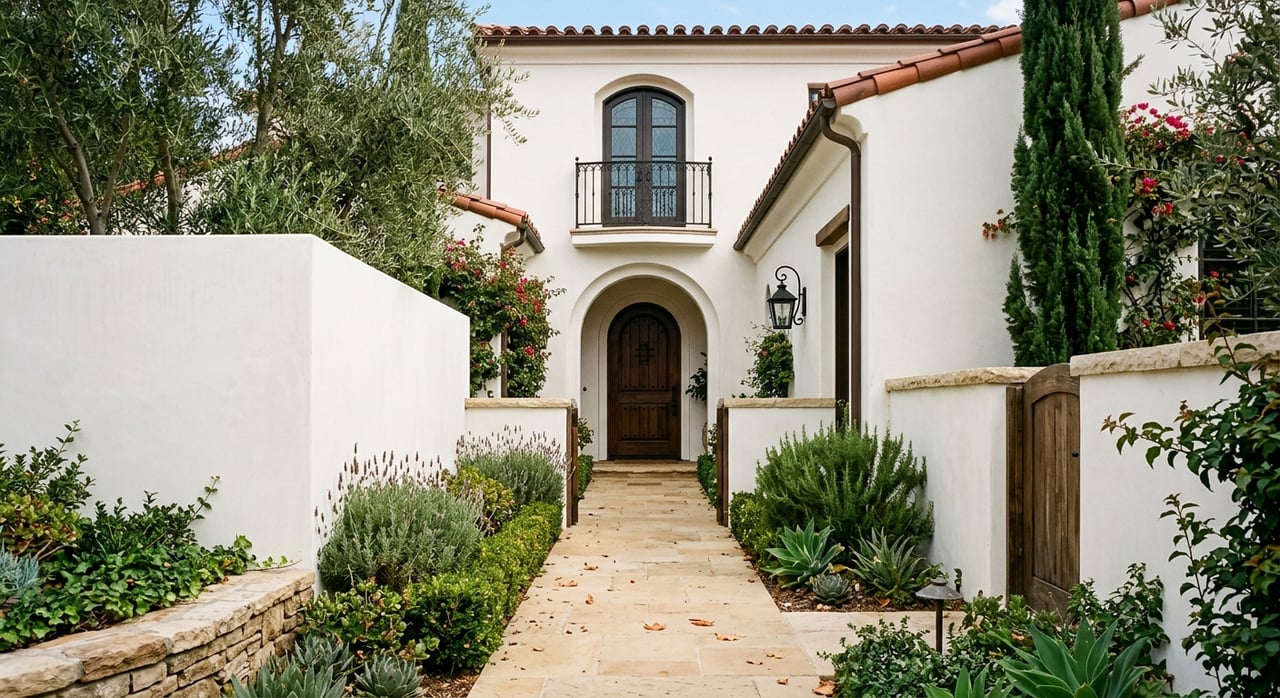
If you are thinking about buying behind the gates in Calabasas, it helps to know one thing up front: gated living here is not one single product. One community may center on guard access and visitor controls, while another may stand out for courts, views, or a very different fee structure. When you understand how these neighborhoods actually work day to day, you can make a smarter purchase and avoid surprises after closing. Let’s dive in.
Calabasas gated living is highly varied
Calabasas is largely residential, with 9,200 housing units reported by the City in 2020, and more than three-quarters of those homes are single-family residences. The City also maintains an HOA contact list that includes communities such as The Oaks, Vista Pointe, Bellagio, Calabasas Park Estates, and Westridge. That matters because buying in a gated Calabasas neighborhood really means comparing separate enclaves, not shopping one uniform market.
For you as a buyer, that means the gate is only the starting point. Each community can have its own access system, rules, amenities, maintenance responsibilities, and overall lifestyle feel. Two homes may look similar on paper, but the ownership experience can be very different once you factor in the HOA and the community setup.
Prices vary widely by community
Calabasas is a premium market, but it is also tiered. Zillow’s April 2026 data shows a typical home value of $1,734,633 in the city, with a median sale price of $1,556,667. The same data shows major differences by area, with The Oaks around $5,097,461, Calabasas Park around $2,254,179, and Calabasas Hills around $1,786,937.
Redfin’s April 2026 city snapshot adds useful context, showing a median sale price of $1.689 million and about 56 days on market. In plain terms, Calabasas is active, but it does not move at the same speed or price point in every neighborhood. Community identity, lot quality, and the gate structure can all affect value and resale.
HOA rules shape daily life
In many Calabasas gated communities, the HOA does much more than maintain common areas. It may also control how residents enter, how guests are approved, where vendors can go, and what happens during special events or after hours. That means you are not just buying a house. You are also buying into a set of procedures and expectations.
Vista Pointe offers a good example. Its official HOA information describes a two-entrance system, transponder-only resident lanes, and a gate setup with 24-hour surveillance cameras and direct communication with security guards. That kind of structure can feel seamless once you live there, but it is worth understanding before you buy.
Mont Calabasas shows how detailed these rules can become. According to its published rules, residents must pre-register visitors through Gate Key, transponders are assigned to specific vehicles, larger events may require an extra guard officer, service vendors are restricted, and overnight street parking is tightly controlled. The rules also state that process servers and government agencies cannot be refused entry under California law.
Ask how access really works
Before you make an offer, get specific about entry procedures. A community with tight gate controls may fit your priorities well, but you should know what that means for everyday life. The more you understand the system in advance, the easier it is to judge whether it matches how you live.
Here are a few practical questions to ask:
- How do residents enter the community?
- Are transponders required, and how many are issued?
- How are guests approved?
- What is the process for vendors, deliveries, and service providers?
- Are there special procedures for parties or larger gatherings?
- What are the overnight parking rules?
- How is after-hours access handled?
These details may seem small at first, but they can have a real impact on convenience, privacy, and resale appeal.
Fees may include more than HOA dues
One of the most important things to know about buying in Calabasas gated communities is that your monthly or periodic HOA dues may not be the only recurring community-related cost. Some neighborhoods are also located within City landscape-maintenance districts. That can create a second layer of ownership expense.
The City’s FY 2025–26 statement for The Oaks of Calabasas Zone 16 shows a parcel rate of $1,018.78. The listed expenses include brush clearance, park maintenance, tree trimming, irrigation repairs, and water. Separate City agenda materials also identify similar zones for Bellagio, Calabasas Park Estates, The Oaks, Vista Pointe, and Westridge.
For you, the takeaway is simple: ask for a full picture of recurring costs. You want to know the HOA amount, what it covers, and whether a separate City assessment applies. This is especially important when you compare communities that may look similar from the outside but carry different ownership costs.
Hillside communities need closer review
Topography matters in Calabasas. Some gated neighborhoods are built on hillside terrain, and that can affect both maintenance and long-term ownership considerations. In these communities, common-area infrastructure may play a bigger role than it would in a flatter suburban setting.
The Oaks is a useful example. A 2023 City planning report describes an HOA-owned parcel of about 11.16 acres with steep slopes, drainage culverts, pathways, fencing, and concrete stairs. The same report notes that The Oaks was built on engineered slopes created during grading.
That does not make hillside living a negative. It simply means you should pay closer attention to shared infrastructure, drainage, slope maintenance, and common-area upkeep. In Calabasas, these factors can be just as important as finishes, floor plan, or square footage.
Architecture is not one-note
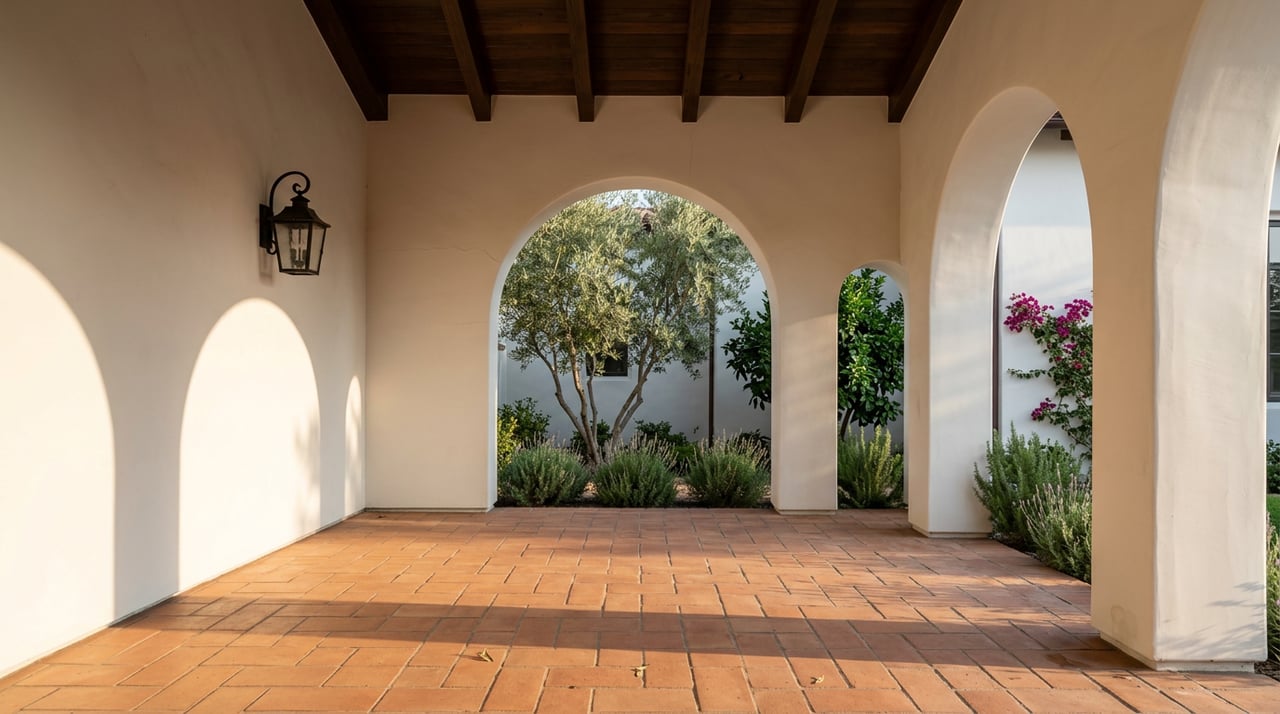
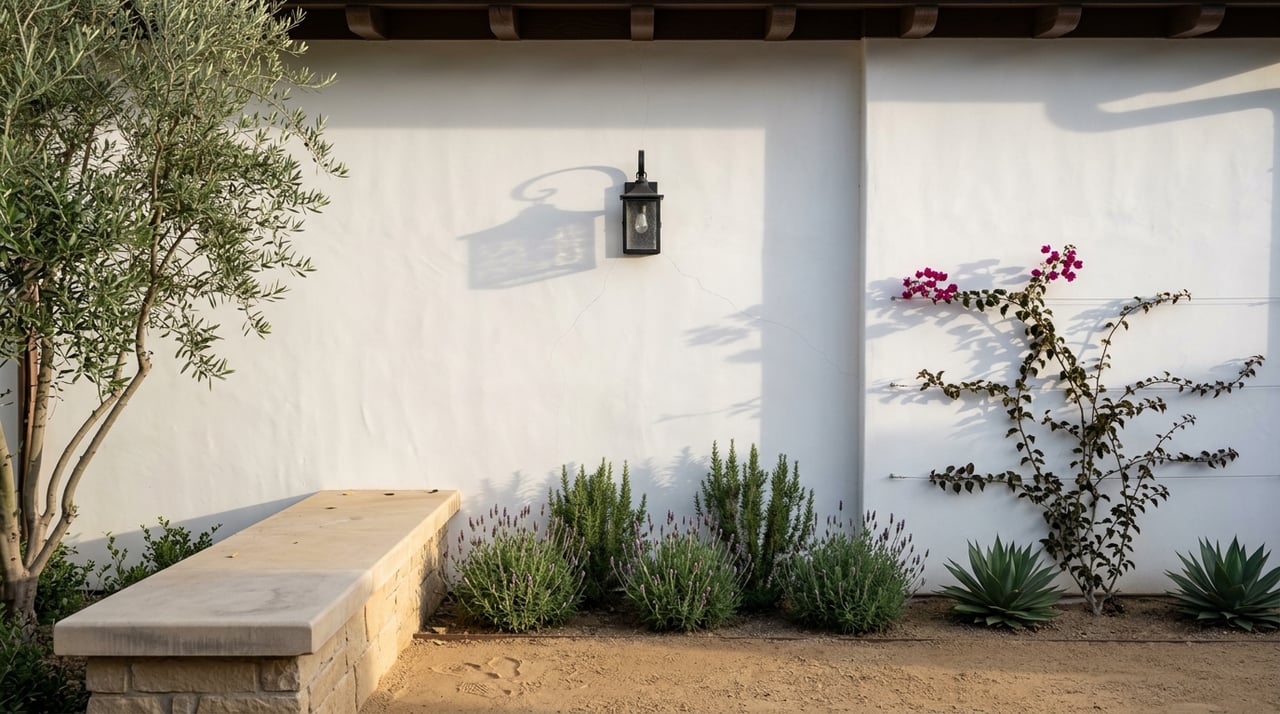
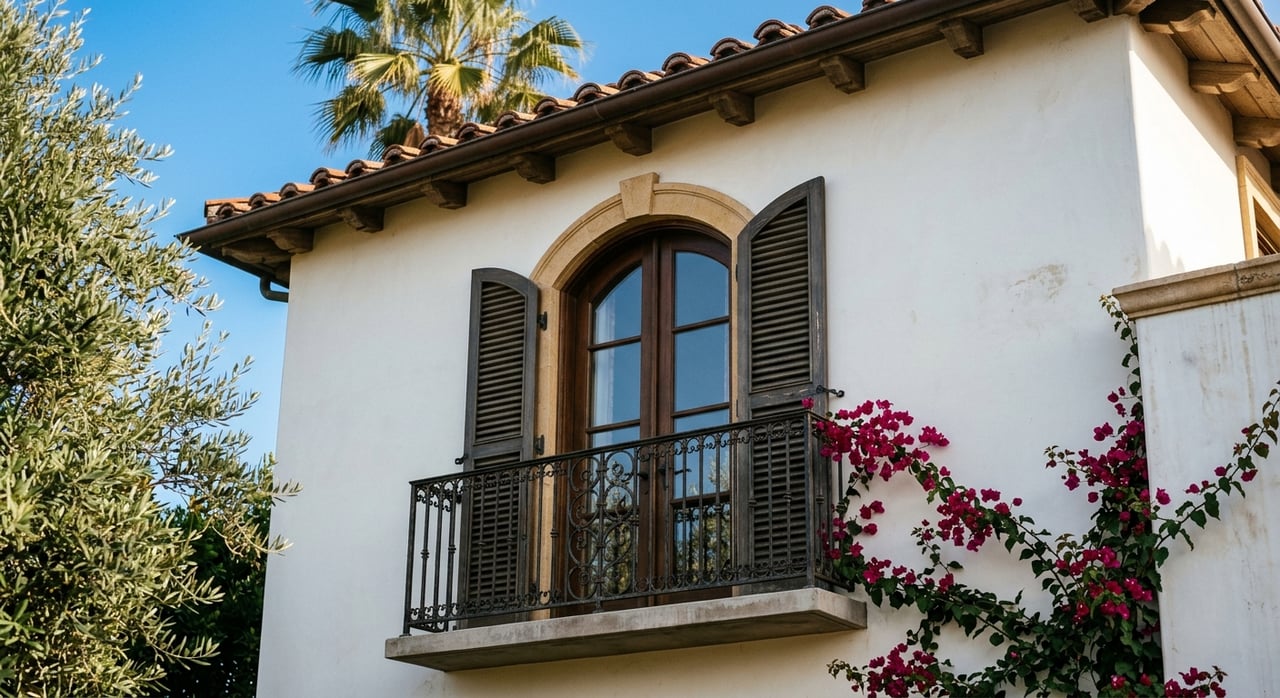
Many buyers picture a single luxury style when they think of gated Calabasas, but the reality is broader. The City’s West Village at Calabasas project, which is a non-gated development, is described as using Monterey, Spanish, and Santa Barbara architecture. Public listing examples in gated communities also show a mix that includes Mediterranean influences and more contemporary remodels.
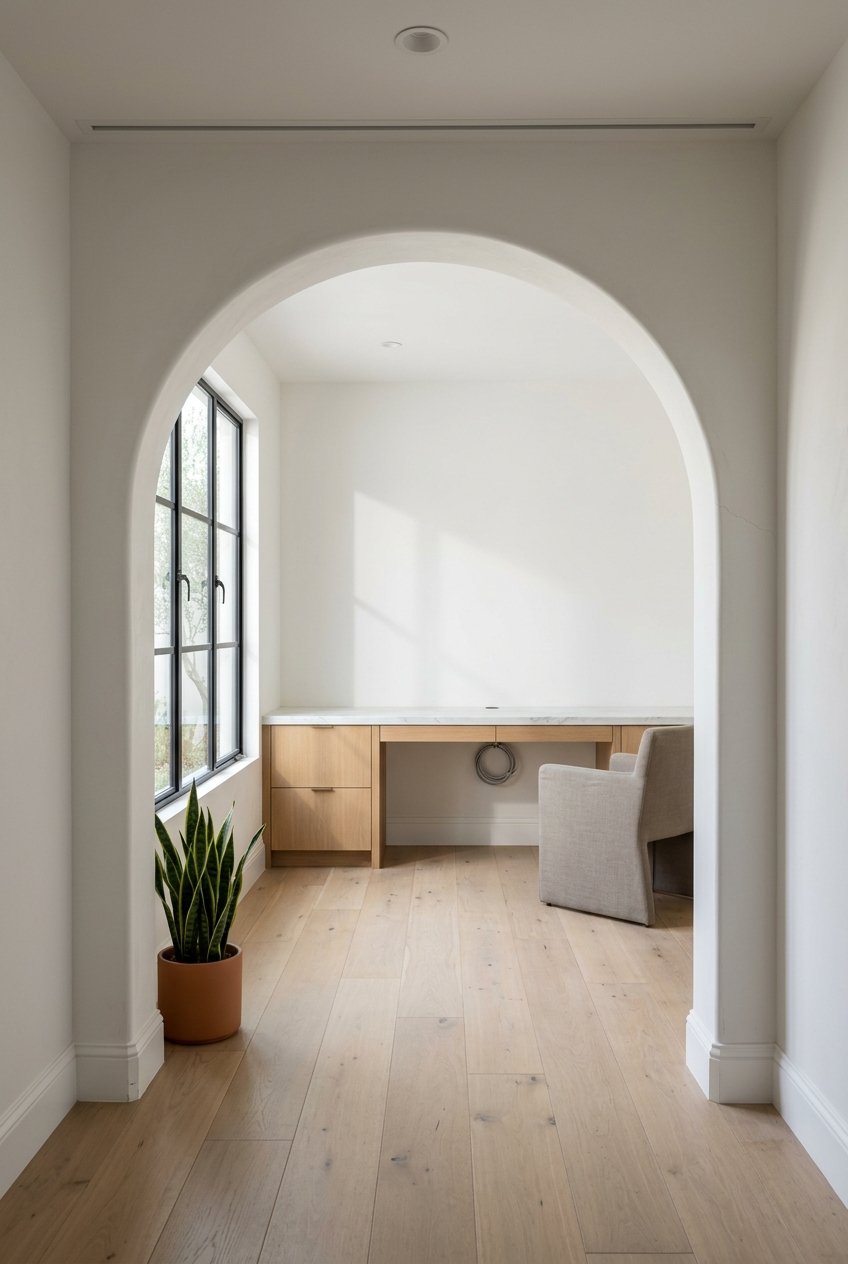
That blend is part of the local market. You may see traditional Southern California styling in one enclave and updated interiors with more modern finishes in another. If design matters to you, it helps to compare not just the exterior look of the home, but also how the neighborhood’s overall style supports long-term appeal.
Amenities can change the ownership experience
Not every gated community in Calabasas offers the same lifestyle package. Some may focus mainly on controlled access and common-area maintenance, while others include recreation features that become part of your daily routine. This can have a real effect on how a neighborhood feels and how buyers view it later.
Vista Pointe is one example of a more defined amenity offering. Its HOA site lists two sets of courts, three tennis courts, two pickleball courts, basketball hoops, online court reservations, nearby Lake Calabasas, and access to hiking and biking routes. It also states that court use is limited to residents and accompanied guests.
The key for you is to think practically. An amenity only adds value if it is something you will actually use or if it strengthens resale demand in that community. A long feature list sounds great, but day-to-day usability matters more.
Privacy depends on more than the gate
It is easy to assume that a gated address automatically means complete privacy, but that is not always how it works in practice. In Calabasas, privacy can depend on lot position, elevation, nearby open space, visitor controls, and the rules the association enforces. The gate is part of the story, but not the whole story.
Mont Calabasas provides a useful example here as well. Its rules note that there are no protected views over common grounds and slopes. That is an important reminder that view lines, sightlines, and neighborhood layout can affect your experience just as much as the security setup.
When you tour homes, pay close attention to things like setback, window orientation, hillside placement, and proximity to common areas or entry routes. A better lot can sometimes matter more than a longer amenity list.
Resale value comes from the full package
In Calabasas gated communities, resale is often shaped by more than the home itself. Price positioning can vary significantly from one enclave to another, and buyer demand may reflect reputation, gate structure, lot quality, amenities, and how the community is maintained. That is why two homes with similar square footage may perform very differently in the market.
This is especially relevant in a city where The Oaks sits far above the citywide median, while other Calabasas neighborhoods track closer to the overall market. If you are buying with long-term value in mind, it helps to look beyond finishes and ask what really drives demand in that specific community. In many cases, the answer is a combination of location within the enclave, operating structure, and overall ownership experience.
What to compare before you buy
When you narrow your options, focus on side-by-side comparison instead of broad assumptions. The more carefully you compare the operating details, the easier it becomes to choose the right fit for your lifestyle and your future resale goals.
Use this checklist as a starting point:
- HOA dues and what they cover
- Separate City assessments, if any
- Gate access and visitor procedures
- Parking and vendor rules
- Common-area maintenance standards
- Slope, drainage, and hillside infrastructure
- Amenity access and actual usability
- Lot quality, orientation, and privacy
- Community reputation within the local market
- How the neighborhood’s price point fits your budget and long-term plans
Buying in Calabasas gated communities can be a great move, but the smartest purchases usually come from understanding the fine print behind the front gate. If you want clear guidance on how specific Calabasas communities compare and which details deserve the closest review, 1000oaksrealestate.com can help you evaluate your options with local insight and practical, steady advice.
FAQs
What should you ask before buying in a Calabasas gated community?
- Ask about HOA dues, separate City assessments, guest access, transponders, vendor rules, parking limits, amenity access, and what maintenance is handled by the association versus the homeowner.
Do Calabasas gated communities always have only one fee?
- No. Some communities may have HOA dues plus a separate City landscape-maintenance district assessment, so it is important to review the full cost structure before you buy.
How do entry systems work in Calabasas gated communities?
- Entry systems vary by community. Some use resident transponders, pre-registered guest access, surveillance cameras, and guard communication, while others may have different procedures and restrictions.
Are all Calabasas gated communities similar in price?
- No. Research shows a wide pricing spread across Calabasas, with some gated enclaves far above the citywide median and others priced closer to the broader local market.
Does a gate guarantee privacy in a Calabasas neighborhood?
- No. Privacy can also depend on lot placement, elevation, setbacks, hillside orientation, nearby common areas, and how strictly the community manages visitors and parking.
Why do hillside details matter when buying in Calabasas?
- In some communities, hillside terrain means shared infrastructure like slopes, drainage features, pathways, and retaining elements may play a bigger role in maintenance and long-term ownership considerations.